Overdose Decline is Encouraging, But We Cannot Take Our Foot Off the Gas
On International Overdose Awareness Day, we must remember the lives lost and take action to protect those still with us.


On International Overdose Awareness Day, we must remember the lives lost and take action to protect those still with us.
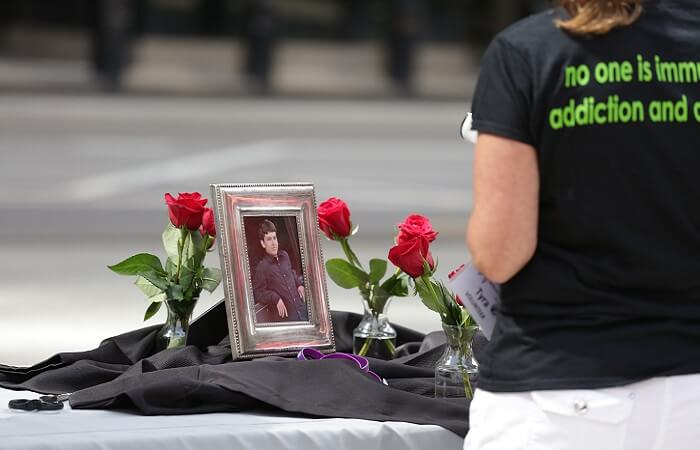
At the National Safety Council, we believe strongly that preventable deaths should not be accepted as inevitable. For more than a century, we’ve made it our mission to save lives from avoidable tragedies. Overdose is no exception.
Every life lost to an overdose is a tragedy, leaving families, friends and communities forever changed. On International Overdose Awareness Day, we remember the victims and their loved ones, support those in recovery and re-commit ourselves to preventing overdose deaths.
After peaking during the COVID-19 pandemic, overdose deaths in the United States have declined. According to the Centers for Disease Control and Prevention, roughly 70,000 people died from drug overdoses in 2025, a 14% decrease from 2024. That is meaningful progress, and we should recognize the policies, programs, investments and individual actions that have helped move us in the right direction.
But progress is not the same as victory. As Richard Baum, the former acting director of the White House Office of National Drug Control Policy, said during a recent Safety Is Personal interview, the decline in overdose deaths should not cause us to “take the foot off the gas.” The drug supply remains dangerous and too many people struggling with substance use disorders are not getting the care they need.
There is still more we can do – from reducing stigma and expanding access to treatment to ensuring workplaces are prepared to respond to an emergency.
We often think about overdose as a community or public health concern, but workplaces play a vital role as catalysts for preventing deaths, supporting people in recovery and ending the stigma around addiction.
People with substance use disorders are often employed, making the workplace an important place to recognize when someone may need help and connect them with resources. As Richard noted in our conversation, many people are afraid to seek help because they worry about losing their jobs or being judged. Employers have a responsibility to make it clear that seeking help and pursuing recovery will be supported – not punished.
The data reinforces why this matters. Workplace overdose deaths from nonmedical use of drugs or alcohol have increased dramatically over the past decade and accounted for 8% of all occupational injury deaths in 2024. NSC research also found there were more than 9,000 responses to potential opioid overdoses on the job in the last year.
Every organization should ask a simple question: Are we prepared to save a life if an overdose happens here?
One important step is having naloxone readily available and ensuring employees know how to use it. Naloxone can reverse an opioid overdose, and NSC has long advocated for making it part of workplace emergency preparedness, along with other lifesaving equipment.
Preparing for an overdose is no different than preparing for any other workplace emergency. It reflects a commitment to protecting people when every second counts.
Prevention starts long before an overdose occurs. For some people, that means improving access to evidence-based treatment and recovery services. For others, it means having honest conversations about substance use, recognizing signs that someone may need help and reducing the stigma that can prevent people from seeking it.
It also means looking at how we manage pain. NSC recently examined the connection between musculoskeletal disorders and opioids, including how efforts to prevent workplace injuries and better manage pain can help reduce the risk of opioid-related harm.
Turning Awareness into Action
International Overdose Awareness Day is an opportunity to honor those we have lost but also take action to help prevent future deaths. Here are some ways to get involved:
This International Overdose Awareness Day, I encourage everyone to remember, educate and act. Every conversation, prepared workplace and person who knows how to respond can make a difference.
To learn more, visit overdoseday.com or explore lifesaving tools at nsc.org/overdoseawarenessday and nsc.org/respondready.
With a century-long legacy, the National Safety Council is a global center for safety expertise. Let's work together to align resources. We look forward to learning about ways we can join efforts to expand safety everywhere!
There are no items in your cart