Moving From Reactive to Proactive: How Nelson Brothers Is Reducing Workplace Injuries
Inside MSD Pledge member Nelson Brothers’ culture of trust, innovation and shared responsibility.


Inside MSD Pledge member Nelson Brothers’ culture of trust, innovation and shared responsibility.
Musculoskeletal disorders (MSDs), such as sprains and strains, are the most common workplace injury. They can happen anytime employees lift, carry, push, pull, repeat motions or work in awkward positions. These injuries can sideline workers, impact families and create costly disruptions for businesses.
At Nelson Brothers, we specialize in the commercial explosives industry, where physically demanding work is part of the job. We know preventing MSDs requires listening to workers, understanding how tasks are performed and continuously improving the way work gets done. That mindset led us to join the National Safety Council MSD Pledge in 2022.
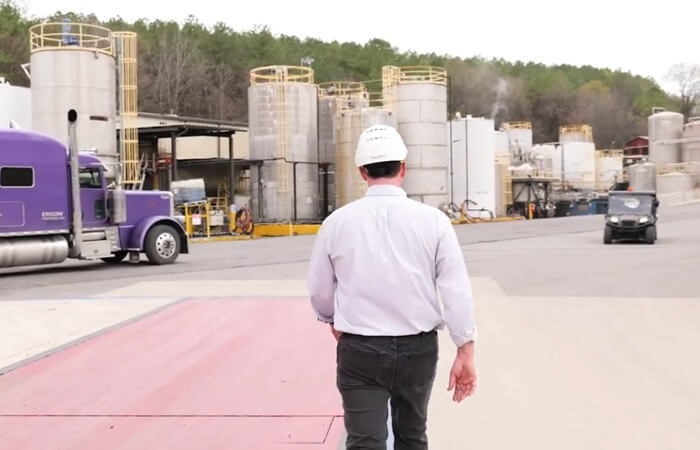
In March, we were proud to host the Council’s MSD Solutions Lab on tours of our Alabama manufacturing facilities and a nearby quarry where our teams support blasting operations. During the visit, NSC saw firsthand how safety is embedded in our daily operations and how we are reducing MSD risks through practical solutions, leadership engagement and employee feedback.
Over the years, our safety culture has evolved significantly. Like many organizations, we used to respond to injuries after they occurred. Today, we focus on prevention.
We track leading indicators such as near misses, employee suggestions and early reports of discomfort. That information helps us identify risks before they become injuries and improve tasks, tools and processes in real time.
Just as important, we’ve worked to build a psychologically safe environment where employees feel comfortable speaking up. When workers know their voices matter, everyone becomes safer.
Our Sprains and Strains Reduction Program was created after reviewing injury trends and identifying recurring ergonomic risks. A cross-functional working group of managers, supervisors and safety personnel examines injury logs, workers’ compensation data, near misses and job tasks.
That process revealed several opportunities for improvement. At quarry sites, for example, employees historically performed demanding manual work involving repeated shoveling and material handling. In some cases, workers could move more than a ton of material over several hours.
Rather than accept that as part of the job, we redesigned the work. Today, we use equipment such as skid steers and hydraulic tools to reduce manual strain and shift the burden from the worker to the machine. We also introduced lighter-weight shovels and other tools to reduce repetitive stress. Sometimes the simplest changes make the biggest difference.
One of the most important changes we’ve made is encouraging employees to speak up at the first sign of discomfort. Too often, workers push through soreness until it becomes a more serious injury.
At Nelson Brothers, employees have the authority to call a timeout if something doesn’t feel right. Supervisors can pause the task, assess the situation and provide first aid or rest as needed. We then review the task to understand what contributed to the discomfort and what changes should be made. That approach protects employees in the moment while helping prevent similar injuries in the future.
Technology and equipment matter, but culture matters most. Safety works best when employees trust leadership and leadership listens.
Our frontline teams are closest to the work and often have the best ideas for improving it. Workers raise concerns, supervisors respond quickly and leadership uses that feedback to guide future improvements. It is a continuous cycle of planning, acting, reviewing and learning.
As our leaders often say, there is no chain of command when it comes to safety. If there is a concern, anyone can raise it.
The original MSD Pledge challenged the pledge community to collectively reduce MSD risks and subsequent injuries by 25% by 2025. Nelson Brothers was proud to contribute to that broader effort, achieving an 83% reduction in sprains, strains and related injuries through our continued focus on prevention, employee engagement and practical safety solutions.
That progress came from consistent attention to detail, investment in people and a shared belief that every injury is worth preventing.
Safety is never finished. Every new task, new employee and new work environment creates another opportunity to improve. We will continue building on our Sprains and Strains Reduction Program, learning from our workforce and using the tools and resources available through the MSD Pledge community.
Whether your company has thousands of employees or a small team, reducing MSD risks starts the same way: listen to your people, study the work and act.
Watch this video to learn more about how our team puts safety into action every day. To join the growing MSD Pledge community and access proven solutions to protect workers, visit nsc.org/msdpledge.

With a century-long legacy, the National Safety Council is a global center for safety expertise. Let's work together to align resources. We look forward to learning about ways we can join efforts to expand safety everywhere!
There are no items in your cart