
0
0
- NSC.org
- NSC Shop
- Injury Facts
- Safety+Health Magazine
Artificial Intelligence is increasingly shaping how work is performed, monitored and managed. AI-driven tools are now used for hazard detection, predictive maintenance, incident analysis and real-time monitoring, which can significantly improve accident prevention and risk reduction. Change is happening fast, and as an EHS Professional, you may be wondering how best to stay up to date and confident with regard to AI trends. NSC has insights to help you no matter where you are on this journey.
If you are new to artificial intelligence or you want to understand some AI fundamentals, including how large language models (LLM) work, check out this AI primer from primerli.
The free course discusses AI model fundamentals, AI domains, training approaches, neural networks, large language models and trends.
This glossary of terms for EHS professionals getting started with AI will help build confidence in your AI fluency.
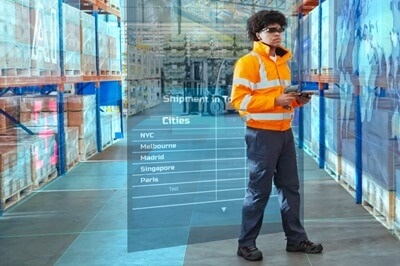
If you want to know about products available for EHS professionals to use (either freely available or through purchase) here are some of the categories of products available:
Computer Vision: A number of companies have built AI solutions to EHS challenges using AI. Computer vision is being used to perform biomechanical modeling to assess MSD risk and advise on controls to determine if workers are wearing personal protective equipment properly or to solve for specific risks, such as falls from height. NSC has generated various reports and case studies that demonstrate the use and limitations of this technology.
• Safety Innovation Challenge: Mitigating Work at Height Risks Through Computer Vision
• Utility of AI for Risk Reduction of Musculoskeletal Disorders
• Emerging Technologies for the Prevention of MSDs Report
• Use of Artificial Intelligence for Ergonomic Risk Assessments
Computer vision and camera analytics are popular safety technology tools used to mitigate risks associated with a variety of hazardous task. Join us as industry experts share best practices, lessons learned and case studies regarding the use of computer vision in the workplace to prevent serious injuries and fatalities.
Generative AI: Most people are familiar with tools such as ChatGPT, Claude, CoPilot and Gemini. This NSC report explores the basics of GenAI: Exploring the Role of Generative AI in Occupational Environment, Health and Safety
AI and EHS Software: Many EHS software companies are including generative AI technology in their products. This Work to Zero report discusses Managing Risks with EHS Software and Mobile Applications.
AI solutions can be generated internally. This is where you can customize solutions within your own organization using data that can help create solutions to specific challenges. Improved understanding of trends, as well as opportunities to streamline decision making, can occur when appropriate and adequate data is collected and applied to well-designed algorithms. The process can be simple and straightforward or quite complex, depending upon the type of data you have and the type of solution you desire. There are quite a few resources available to learn how to “program” your own AI tool; here is a short video that can provide insight into some of the considerations for AI tool development.
There are no items in your cart