
0
0
- NSC.org
- NSC Shop
- Injury Facts
- Safety+Health Magazine
California has faced a sharp rise in drug overdose deaths over the past decade, driven largely by opioids like fentanyl. In 2023 alone, the state recorded over 11,000 overdose fatalities, with opioids involved in the majority of cases.
This crisis is no longer confined to communities — it increasingly affects working-age adults across industries. Nearly every workplace faces the risk of unintentional exposure, and many employees struggle with substance use disorders, making overdose prevention and preparedness essential components of occupational safety
California Worksites & Naloxone: Awareness to Action
12 p.m. (PST) June 16
Watch the Webinar
California Worksites & Naloxone: What Employees Need to Know
May 26, 2026
Watch the Webinar
Naloxone, an opioid overdose reversal medication, is a proven lifesaving tool. It works by temporarily restoring normal breathing in individuals experiencing an opioid overdose. The FDA has approved two over-the-counter brands — NARCAN and RiVive — making this medication more accessible than ever.
Having naloxone, both on the job and off the job, can mean the difference between life and death. Overdose life-threatening emergencies can happen anywhere, including job sites, offices and public-facing workplaces. In fact, Emergency Medical Services (EMS) was activated over 12,600 times to respond to potential opioid overdoses occurring in workplace settings in 2024. Employees may encounter overdoses among coworkers, contractors or visitors. For safety and health professionals, ensuring access to naloxone is not just a compliance measure – it’s an essential part of any first aid or emergency preparedness program.
Organizations operating in California will soon be required to supply naloxone. In September 2024, Gov. Gavin Newsom signed AB 1976, directing the California Division of Occupational Safety and Health to update regulations to include a workplace naloxone requirement and establish related enforcement practices.
Under this bill, the division must propose regulations by Dec. 1, 2027, requiring workplaces to include naloxone or another FDA-approved opioid antagonist in first aid kits, along with usage instructions and storage guidance. The Standards Board must review and consider adopting these changes by Dec. 1, 2028. The bill also clarifies liability protections for individuals who administer opioid antagonists in good faith during emergencies, including licensed emergency medical personnel, except in cases of gross negligence or misconduct.
Drug overdose is the leading cause of injury-related death in the United States and is responsible for 8% of workplace fatalities.
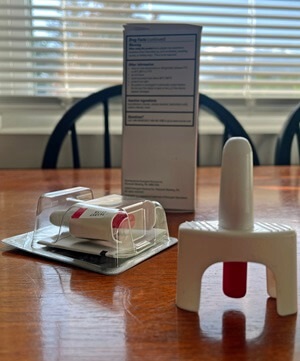
Get ahead by adding naloxone to your safety program. Integrating opioid overdose response into workplace safety efforts empowers employees to act quickly and effectively during critical situations. A comprehensive opioid overdose response program should include clear policies, employee training and access to naloxone.


 Getting Started
Policy
Training
Access
Getting Started
Policy
Training
Access 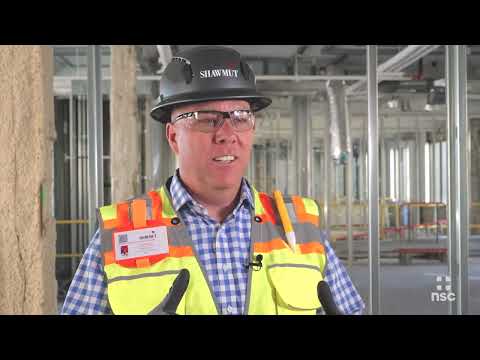
California employer Shawmut Design and Construction implemented a program to support access to naloxone, an opioid overdose reversal medication that can save a life if a worker is experiencing an overdose on a job site.
Many organizations in California can provide information and assistance on naloxone and overdose:
● California Overdose Surveillance Dashboard: State and local overdose data
● California Department of Public Health: Educates Californians on using and obtaining naloxone
● California Department of Health Care Services — Naloxone Distribution Project: Free naloxone for eligible entities
● CalRx Naloxone Webpage: Reduced-price naloxone nasal spray
● California Overdose Prevention Network: Coalition and organizational support
● Next Distro: Harm reduction resources
● National Harm Reduction Coalition: Harm reduction resources
This list is not exhaustive. Search your community for local public health departments and nonprofits to strengthen your opioid overdose response program.
The 2025 international resuscitation recommendations call for naloxone availability and overdose-response training in workplaces with opioid overdose risk. They clarify that trained lay rescuers and the public may administer naloxone under Good Samaritan or equivalent protections, while emphasizing that CPR should never be delayed during naloxone preparation or use. They stress the importance of monitoring breathing closely, as respiratory arrest can precede cardiac arrest.
Stigma surrounding addiction can be a major roadblock when adopting naloxone initiatives, substance misuse prevention programs and recovery supportive practices. Combating stigma is essential because it encourages open dialogue and ensures employees feel safe accessing lifesaving resources without fear of judgment. Learn more about stigma.
Through its Respond Ready Workplace program, NSC is committed to working with employers, government agencies and other stakeholders to increase naloxone adoption in workplaces. Learn more about the initiative.
Help us understand your naloxone needs and implementation journey by completing this brief survey
For further support, contact [email protected]. For other workplace wellbeing resources, visit the NSC Workplace Wellbeing Hub.
There are no items in your cart