0
0
- NSC.org
- NSC Shop
- Injury Facts
- Safety+Health Magazine
In 2024, about 79,384 people died from a drug overdose – over 200 people a day. Thankfully, these deaths have decreased over 25% from the last year with declines seen across all age and race groups. However, even with this decrease, this number is double the crash fatalities from the same year and exceeds the total U.S. deaths from the Vietnam War. Momentum to continue this downward trend across the nation is pivotal.
The main driver of overdose deaths continues to be opioids. The term “opioid” includes prescription pain relievers (Vicodin, Percocet, OxyContin, etc.) and illicit drugs (heroin, illicitly manufactured fentanyl, etc.) Some opioids, like fentanyl, are so powerful they can cause an overdose in a very small amount. Illegal fentanyl is increasingly being combined with other drugs (with or without a person’s knowledge) like cocaine, xylazine, methamphetamine and benzodiazepines.
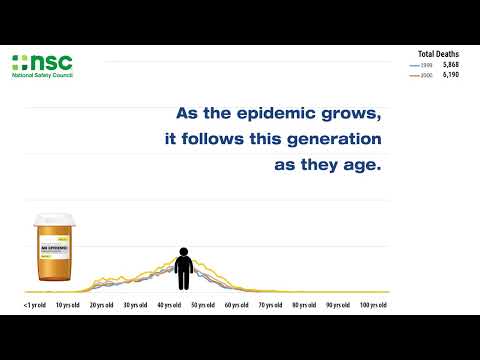
2023 Data
Data from the 2024 National Survey on Drug Use and Health revealed that 2.7% of people (7.8 million) misused opioids in the past year. Further, over 40% of people who misused prescription opioids got them from a friend or relative.
Substance use disorder or addiction is a chronic medical condition that increases a person’s risk of overdose. Our biology, life experiences, family history and how our brains work contribute to our risk of addiction. Stigma, meanwhile, is a major barrier in overcoming the challenges of addiction. It can impact the ability to access work, housing, adequate health care and even negatively impact overall wellbeing. For example, among people who were classified as needing substance use treatment in the past year, only one in five received it. This is why it is so important to lend compassionate support to help reverse the overdose crisis.
There are many other ways you can take action to keep loved ones safe and support individuals embarking on their recovery journey:
● Obtain naloxone, an opioid overdose reversal medication, and get trained on how to use it
● Learn how to confidently talk with your loved ones about opioid and other drug use
● Be anti-stigma by educating yourself, sharing personal stories, and challenging negative attitudes and stereotypes
● Learn about safe storage and disposal of medications
● Support the federal WORK to Save Lives Act (H.R. 5420/S. 2948) and other legislation to support the availability of naloxone
● Be informed about alternatives to opioids when talking with medical providers
● Support loved ones along their journey to treatment and recovery
● Provide resources for your workplace to improve worker wellbeing
There are no items in your cart