Why I Started a Map to Remember Loved Ones Lost to Drug Overdoses
Remembering those we've lost while helping others find connection, healing and hope, and advocating for change.


Remembering those we've lost while helping others find connection, healing and hope, and advocating for change.
In 2025, about 70,000 people died from a drug overdose in the United States. While these numbers have come down in recent years, the yearly death toll still exceeds the capacity of most NFL stadiums. More importantly, each figure represents a person whose loss forever changes the lives of family members, friends, coworkers and loved ones.
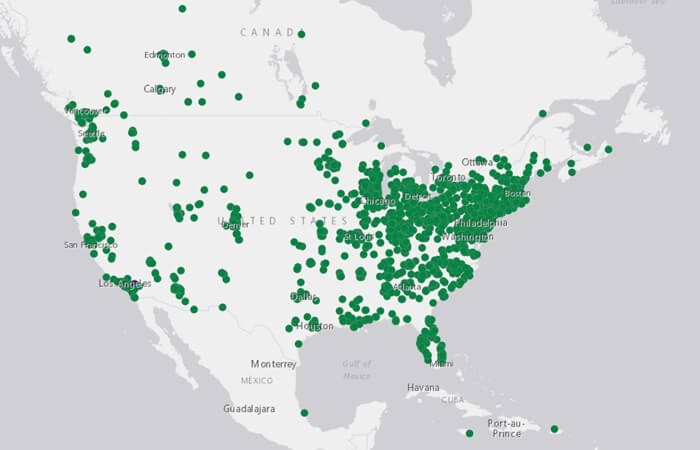
I started the Recovery and Remembrance Map nearly 10 years ago after losing my little brother, J.T., to addiction. Too often, stigma prevents families from talking openly about their loved ones and the realities of substance use disorder. The map was created originally to help break that stigma by honoring and preserving stories of the people we have lost.
Every day, people across the country are proving that recovery is possible as they rebuild relationships, restore their health, and create new futures for themselves and their families. Yet the stigma surrounding addiction extends to those in recovery as well.
That is why we expanded the Recovery and Remembrance Map for people in recovery to preserve their stories. Time and again, people have shared that hearing from someone who has walked a similar path can provide hope, encouragement and a powerful reminder that recovery is real and achievable.
Every pin on the map represents a unique life, family and story worth remembering. By sharing them, we help replace judgment with understanding and numbers with names.
Whether someone is struggling with substance use, grieving a loss or beginning recovery, the goal of the map is to remind them they are not alone.
When I started the map, I often felt like our family was the only one going through our grief. But as submissions of other stories began arriving from across the country, I quickly realized how far from the truth that was. The map has connected thousands of families and loved ones united by a shared experience and a desire to help others. I was also struck by the number of people who quietly reached out to share that they were struggling with addiction themselves or supporting a loved one in recovery. Their messages serve as a strong reminder that behind many closed doors are stories that often go untold.
Today, the map has thousands of tributes from every state that underscore a difficult reality: Substance use disorder touches every community. However, it also shows an encouraging truth: Recovery is possible for anyone in every community.
The intention of the Recovery and Remembrance Map has always been to reduce stigma through awareness, remembrance and conversation. My request for everyone is simple: share your story. You never know who may need support, who may find comfort in your words or who may discover they are not alone.
There are also several other things you can do. Naloxone can save lives quickly and you can carry it yourself. If your workplace doesn’t carry it, you can see how the National Safety Council is helping equip workplaces with this lifesaving medication.
With a century-long legacy, the National Safety Council is a global center for safety expertise. Let's work together to align resources. We look forward to learning about ways we can join efforts to expand safety everywhere!
There are no items in your cart